Charleston Dehumidifier Guide: Choosing the Right Size for Your Home
Charleston, SC is one of the most humid cities in the United States. With average summer humidity above 75% and dew points that regularly exceed 70 degrees, controlling indoor moisture is the single most important step you can take to prevent mold growth. A properly sized dehumidifier is essential equipment for any Charleston-area home.
This guide explains how to choose the right dehumidifier for your Charleston home, crawl space, or basement.
Why Charleston Homes Need Dehumidifiers
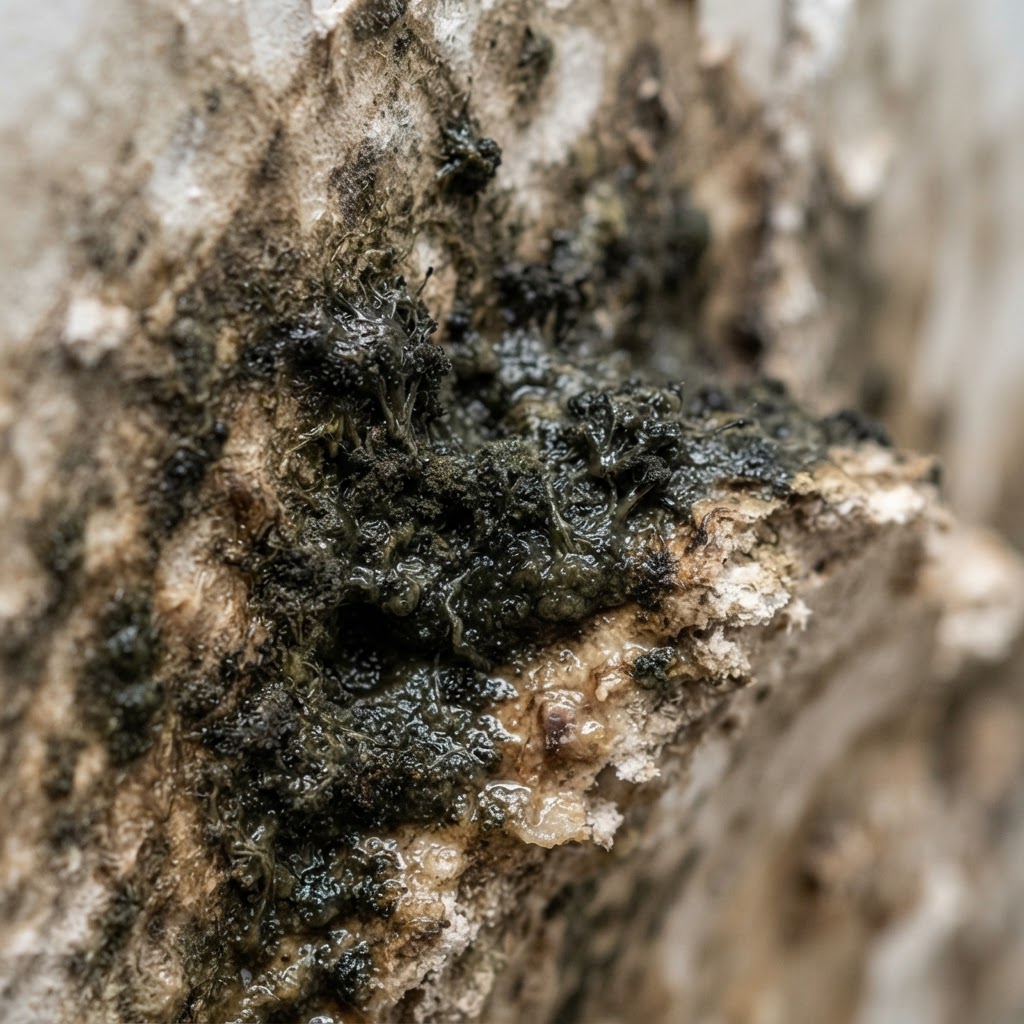
Mold needs three things to grow: moisture, a food source, and warm temperatures. Charleston provides all three year-round. Air conditioning helps, but even the best AC systems struggle to keep indoor humidity below 60% during peak summer months.
Without a dehumidifier, indoor humidity in Charleston homes can easily reach 70-80%, creating ideal conditions for mold growth on walls, in closets, behind furniture, and in crawl spaces. A dehumidifier removes excess moisture from the air, bringing humidity down to the 30-50% range where mold cannot grow.
Understanding Dehumidifier Capacity
Dehumidifier capacity is measured in pints per day — the amount of moisture the unit can remove from the air in 24 hours. Choosing the right capacity depends on your square footage and the severity of your moisture problem.
Standard Sizing Guide
| Home Size (sq ft) | Moderate Moisture | Heavy Moisture | Very Wet | |---|---|---|---| | Up to 1,500 | 30-pint | 40-pint | 50-pint | | 1,500 - 2,500 | 40-pint | 50-pint | 70-pint | | 2,500 - 3,500 | 50-pint | 70-pint | 70-pint | | 3,500+ | 70-pint | 70-pint | Multiple units |
Important: These are general guidelines. Charleston's extreme humidity means you should size up, not down. A 50-pint unit is the minimum recommendation for most Charleston homes under 2,000 sq ft.
Whole-Home vs Portable Dehumidifiers
Portable Dehumidifiers
Portable units are standalone appliances you can move from room to room. They're ideal for:
- Single-room moisture problems (bathroom, bedroom)
- Apartments and condos
- Budget-conscious homeowners
- Supplementing a whole-home system
Pros: Affordable ($200-$400), easy to move, no installation Cons: Must empty water bucket manually (or set up drain hose), noisy, only covers one area
Whole-Home Dehumidifiers
Whole-home units integrate with your HVAC system and dehumidify your entire house through existing ductwork. They're ideal for:
- Whole-house humidity control
- Homes with central HVAC
- Set-and-forget convenience
Pros: Covers entire home, automatic drainage, quiet operation, out of sight Cons: Higher upfront cost ($1,500-$3,000 installed), requires professional installation
Crawl Space Dehumidifiers
Crawl space moisture is the #1 cause of mold in Charleston homes. A standard portable dehumidifier will not survive the harsh conditions of a crawl space. You need a dedicated crawl space dehumidifier designed for:
- Low temperatures and high humidity
- Continuous drainage (no bucket to empty)
- Compact size to fit in tight spaces
- Durable construction for harsh environments
Recommended Crawl Space Dehumidifier Specs
For Charleston crawl spaces, look for:
- Capacity: 70-100 pints per day (crawl spaces need heavy-duty moisture removal)
- Drainage: Built-in pump for automatic condensate removal
- Filter: Washable, replaceable filter for dust and debris
- Operation: Rated for temperatures as low as 40 degrees F
- Control: Built-in humidistat with auto on/off
Popular brands for crawl spaces include Aprilaire, Santa Fe, and Dri-Eaz. Expect to pay $1,000-$2,000 for a quality crawl space dehumidifier.
Key Features to Look For
1. Built-in Humidistat
A humidistat automatically turns the dehumidifier on and off to maintain your target humidity level. Set it to 45-50% for optimal mold prevention in Charleston.
2. Continuous Drainage
Look for a unit with a hose connection for continuous drainage. This eliminates the need to empty a water bucket daily. Run the drain hose to a floor drain, sump pump, or outside.
3. Auto-Defrost
Charleston winters are mild, but temperatures can occasionally drop below 50 degrees. Auto-defrost prevents the coils from freezing, allowing the unit to operate in cooler temperatures.
4. Energy Star Certification
Dehumidifiers run constantly in Charleston's climate. An Energy Star-certified unit uses 15-30% less energy than non-certified models, saving $50-$150 per year on electricity.
5. Noise Level
If the dehumidifier will be in a living area, look for a model rated below 55 decibels. Whole-home units installed with the HVAC system are typically the quietest option.
Where to Place Your Dehumidifier
For maximum effectiveness:
- Place near the moisture source: If your crawl space is the problem, a whole-home unit won't help. Put the dehumidifier where the moisture is.
- Ensure air circulation: Don't push the unit against a wall. Leave at least 12 inches of clearance on all sides.
- Close doors and windows: A dehumidifier can't control humidity in an open space. Keep doors and windows closed.
- Avoid heat sources: Don't place near ovens, radiators, or direct sunlight, which can affect the humidistat reading.
Maintenance Tips
- Clean the filter monthly during peak season (May through October in Charleston)
- Check the drain hose for clogs and kinks
- Inspect coils annually for dust buildup
- Replace filter yearly for optimal performance
- Monitor humidity with a separate hygrometer to verify the unit is working
Signs You Need a Dehumidifier
- Indoor humidity above 60% (check with a hygrometer)
- Condensation on windows, pipes, or walls
- Musty odors in any room
- Visible mold or mildew
- Warped wood or buckling floors
- Allergy symptoms that worsen at home
- Water stains on ceilings or walls
Dehumidifier + Crawl Space Encapsulation
For Charleston homes with crawl spaces, a dehumidifier alone is not enough. You also need crawl space encapsulation — sealing the crawl space with a vapor barrier to prevent ground moisture from entering. The combination of encapsulation and a dehumidifier is the most effective mold prevention strategy for Charleston homes.
Get Professional Help
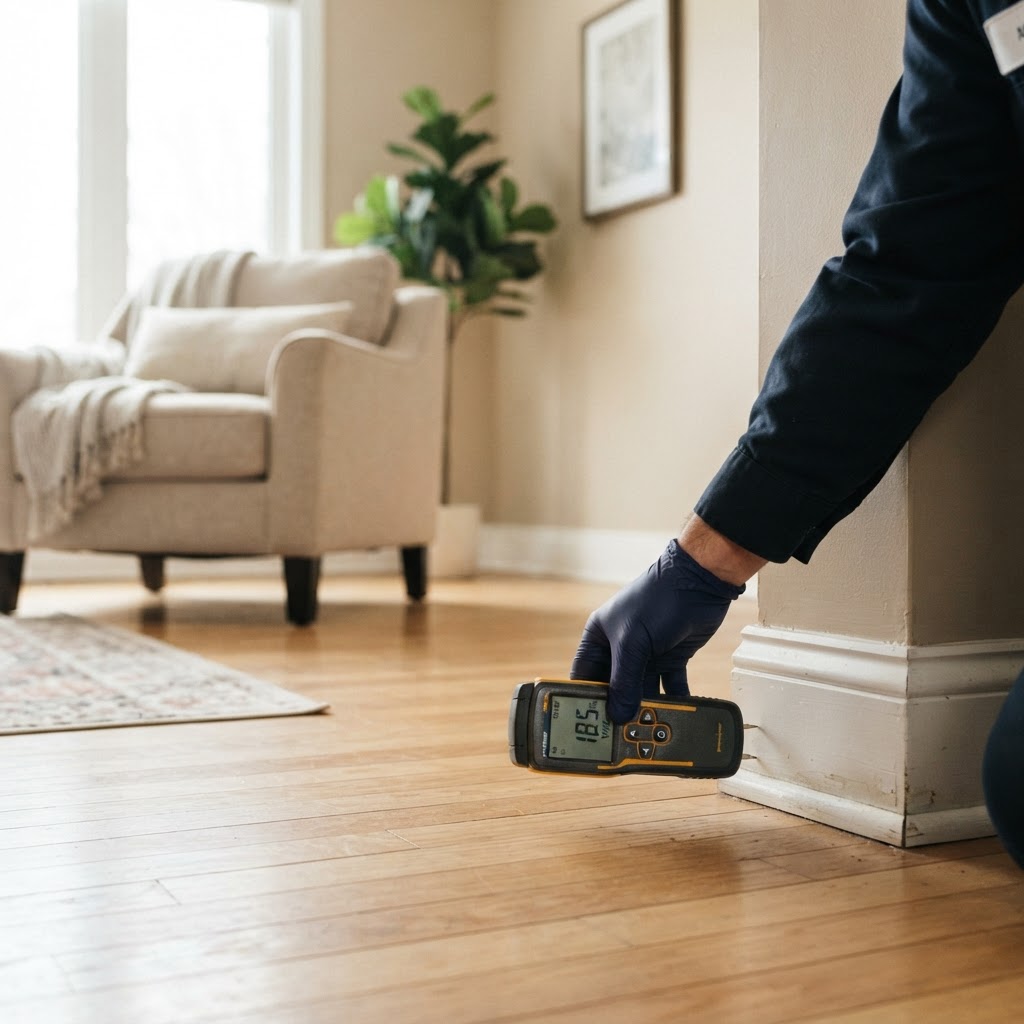
Choosing and installing the right dehumidifier system can be complex. Seaside Mold Medic provides free inspections to assess your home's moisture levels and recommend the right dehumidification strategy. We also offer crawl space encapsulation services throughout the Charleston area.
Call (844) 393-2902 to schedule your free moisture assessment today.

