DIY Mold Removal vs Professional Remediation: When to Call a Pro
If you've discovered mold in your Charleston home, you might be wondering whether you can handle it yourself or if you need to call a professional. The answer depends on how much mold there is, what type it is, where it's located, and your own health.
The EPA provides clear guidelines on when DIY mold removal is appropriate and when professional remediation is necessary. Here's what you need to know.
When DIY Mold Removal Is Appropriate
According to EPA guidelines, you can safely handle mold removal yourself when the affected area is less than 10 square feet (roughly a 3-foot by 3-foot patch). This typically covers small, surface-level mold growth in easily accessible areas.
Suitable DIY Scenarios
- Small patches of mold on bathroom grout or caulk
- Mold on a window sill from condensation
- Minor mold on non-porous surfaces like tile or metal
- Surface mold on painted drywall (small area, no water damage)
How to Remove Small Mold Areas Safely
If you decide to tackle a small mold problem yourself, follow these steps:
- Fix the moisture source first. Mold will return if you don't address the underlying moisture. Fix leaks, improve ventilation, or reduce humidity.
- Wear protective gear. Wear an N95 mask, rubber gloves, and safety goggles.
- Scrub with detergent and water. The EPA recommends soap and water for cleaning mold from hard surfaces. Avoid bleach (more on this below).
- Dry the area completely. Use fans and dehumidifiers to ensure the area is fully dry.
- Dispose of cleaning materials. Put used rags and sponges in a sealed plastic bag before throwing them away.
The Problem with Bleach
Many homeowners reach for bleach to kill mold, but bleach is not recommended for mold removal on porous surfaces. Here's why:
- Bleach kills surface mold but does not penetrate porous materials like drywall, wood, or grout. The mold roots (hyphae) remain alive beneath the surface and can regrow.
- Bleach is primarily water (94% water), which can actually feed mold by adding moisture to the area.
- Bleach loses its effectiveness over time, especially on organic surfaces.
- The fumes can be harmful, especially in poorly ventilated spaces.
For non-porous surfaces, a solution of soap and water is just as effective and safer. For porous surfaces, the moldy material typically needs to be removed and replaced.
When You Need Professional Mold Remediation
Professional remediation is necessary when any of the following conditions apply:
1. The Affected Area Is Larger Than 10 Square Feet
The EPA recommends professional help for any mold problem larger than 10 square feet. Larger areas require containment barriers, HEPA air filtration, and proper disposal protocols that are difficult to achieve with DIY methods.
2. The Mold Is Hidden or in Hard-to-Reach Areas
Mold inside wall cavities, in crawl spaces, in attics, or behind wallpaper requires professional equipment to access and remediate safely. Disturbing hidden mold without proper containment can release millions of spores into your home.
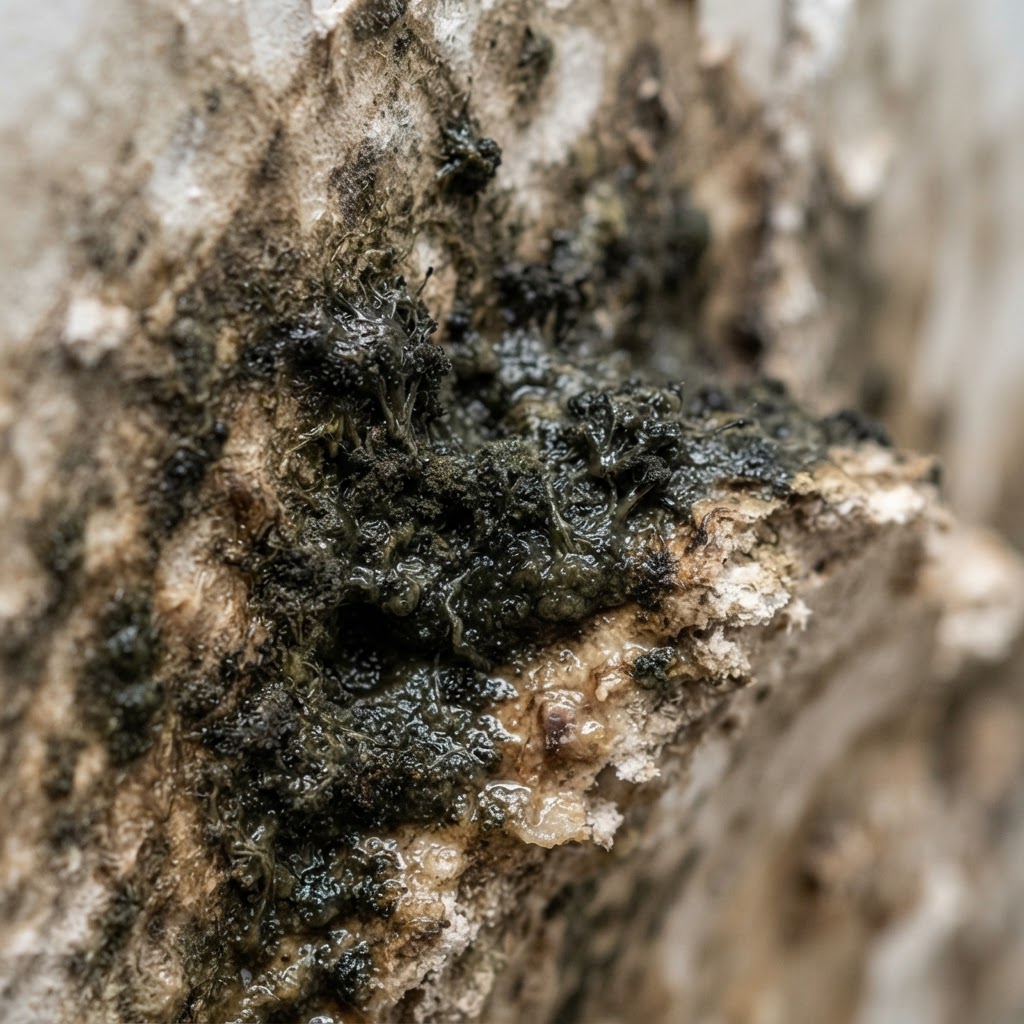
3. You Suspect Toxic Black Mold (Stachybotrys)
Stachybotrys chartarum produces mycotoxins that can cause serious health effects. Professional remediation following IICRC S520 guidelines is essential for safe removal. This includes negative air pressure containment, specialized PPE, and post-remediation clearance testing.
4. The Mold Resulted from Sewage or Contaminated Water
If mold grew after sewage backup, flood water, or other contaminated water sources, professional remediation is mandatory. These situations involve bacteria and other pathogens in addition to mold, requiring specialized cleaning and disposal.
5. You Have Health Concerns
If anyone in your household has asthma, allergies, compromised immunity, or other respiratory conditions, professional remediation is the safer choice. DIY removal can stir up spores and worsen health symptoms.
6. The Mold Keeps Coming Back
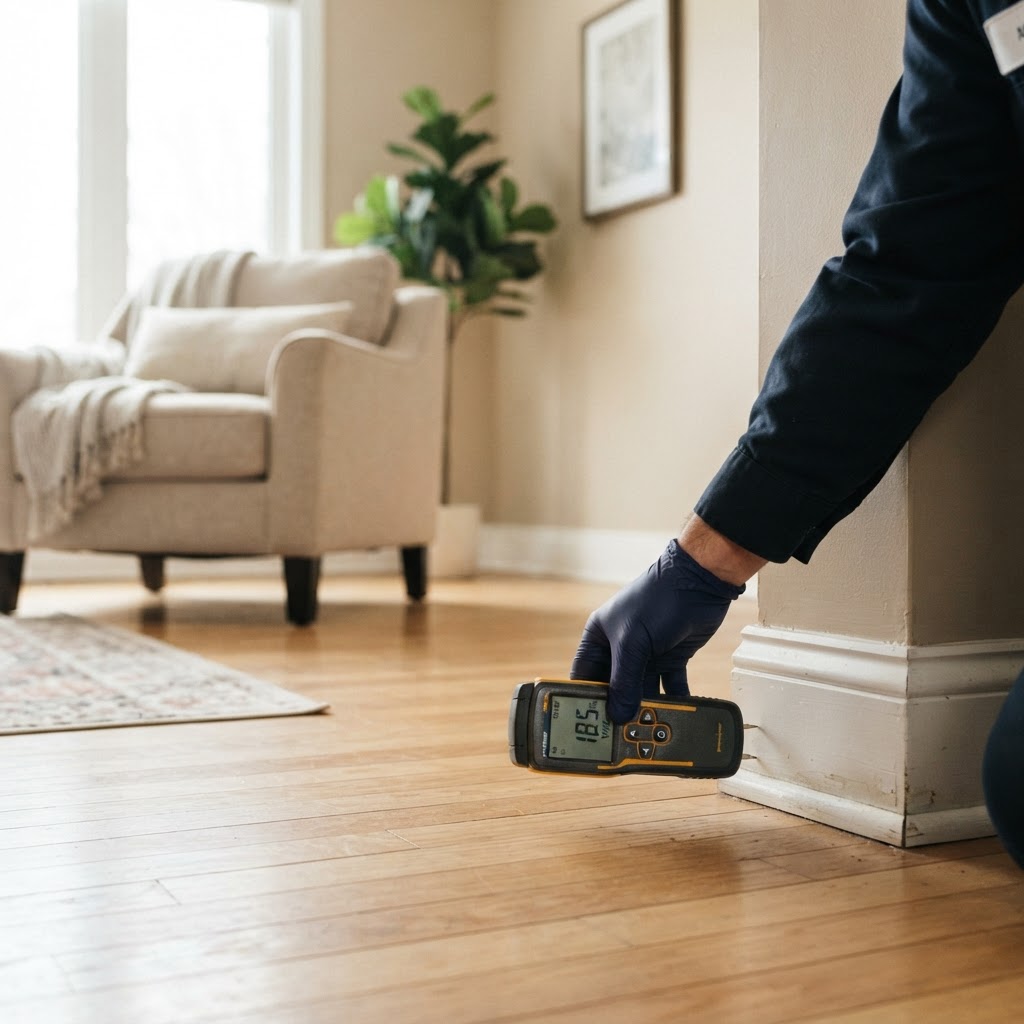
If you've cleaned mold and it returns, it means you haven't addressed the root cause, or the mold has penetrated deeper than you can reach. A professional can identify hidden moisture sources and remove mold at its source.
7. You Need Documentation for Insurance or Real Estate
Professional remediation includes documentation, lab results, and clearance testing that may be required for insurance claims, real estate transactions, or legal matters.
Risks of DIY Mold Removal on Larger Areas
Attempting to remove significant mold yourself can actually make the problem worse:
- Spreading spores: Without containment, disturbing mold releases spores throughout your home, potentially creating new growth areas
- Incomplete removal: Surface cleaning doesn't address mold growing within walls, under floors, or in insulation
- Health exposure: Without proper PPE and air filtration, you expose yourself and your family to high spore concentrations
- Hidden moisture: Without professional moisture detection, you may not find the source, guaranteeing the mold returns
- Property damage: Improper removal can damage building materials and require more expensive repairs later
What Professional Remediation Includes
When you hire a certified mold remediation company, you get:
- Containment: Plastic barriers and negative air pressure prevent spore spread
- HEPA air filtration: Industrial air scrubbers capture airborne spores
- Safe removal: Contaminated materials are removed and properly disposed of
- Antimicrobial treatment: EPA-registered treatments prevent regrowth
- Moisture source identification: The root cause is found and addressed
- Post-remediation testing: Clearance testing verifies the mold is truly gone
- Documentation: Detailed reports for insurance and peace of mind
The Bottom Line for Charleston Homeowners
For a small patch of mold on a non-porous surface, DIY removal with soap and water is fine. For anything larger, hidden, or potentially toxic, professional remediation protects your health and your home. Charleston's humid climate makes mold a persistent threat, and professional remediation addresses both the mold and the moisture that feeds it.
Need Professional Mold Remediation in Charleston?
Seaside Mold Medic provides IICRC-certified mold remediation throughout the Charleston area. We offer free inspections to assess your situation and honest advice on whether you need professional help. Call (844) 393-2902 to schedule your free inspection.

