Hidden Water Damage: 7 Signs You Can't See in Your Charleston Home
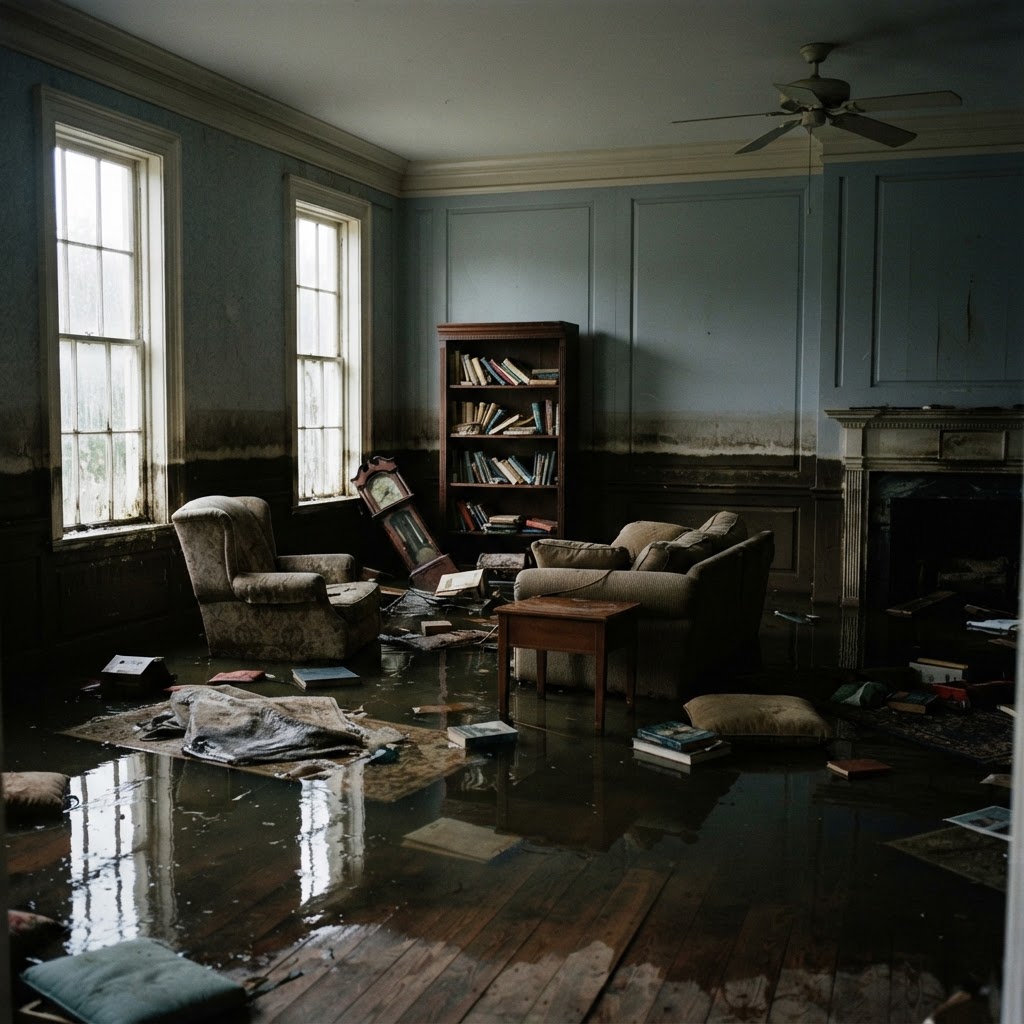
Water damage doesn't always announce itself with a dramatic flood or visible puddle. In Charleston's humid climate, water can slowly infiltrate your home for weeks or months without any obvious signs. By the time you notice, mold may already be growing and structural damage may have begun.
Hidden water damage is one of the most common causes of mold in Charleston homes. Here are 7 signs to watch for that could indicate water damage you can't see.
1. Unexplained Increase in Your Water Bill
If your water bill has gone up but your water usage hasn't changed, you may have a hidden leak. A leaking pipe behind a wall, under a floor, or in a crawl space can waste hundreds of gallons of water before you notice any visible damage.
What to check:
- Compare your current bill to the same month last year
- Turn off all water fixtures and check your water meter. If it's still moving, you have a leak
- Listen for running water sounds when no fixtures are on
2. Musty or Earthy Odors
A persistent musty smell is often the first sign of hidden water damage. Mold produces microbial volatile organic compounds (MVOCs) that create that distinctive earthy, damp odor.
If you smell mustiness but can't see any mold, the mold is likely growing:
- Behind walls
- Under flooring
- In the crawl space
- Above the ceiling
- Inside HVAC ductwork
Don't ignore musty odors. They mean mold is already growing, even if you can't see it.
3. Warped or Buckling Floors
Water damage causes wood flooring and subflooring to warp, cup, or buckle. If your floors feel spongy, squeak more than usual, or have developed uneven spots, water may be underneath.
Signs to watch for:
- Hardwood floors that are cupping (edges higher than centers)
- Laminate flooring that's separating at the seams
- Tile that's cracking or grout that's crumbling
- Soft spots in the floor when you walk
Warped floors often indicate a slow leak from a plumbing line beneath the floor or moisture wicking up from a damp crawl space.
4. Peeling Paint or Bubbling Wallpaper
Paint and wallpaper don't lie. When water infiltrates a wall, the paint or wallpaper will eventually show it:
- Peeling paint: Water behind the wall causes paint to lose adhesion and peel
- Bubbling or blistering: Trapped moisture creates bubbles under paint
- Discoloration: Yellow or brown stains appear as water carries minerals through the drywall
- Wallpaper separation: Adhesive fails when the wall is wet, causing edges to curl
These signs often appear on walls adjacent to bathrooms, kitchens, or plumbing lines, and on ceilings below bathrooms or roofs.
5. Visible Mold on Baseboards or Trim
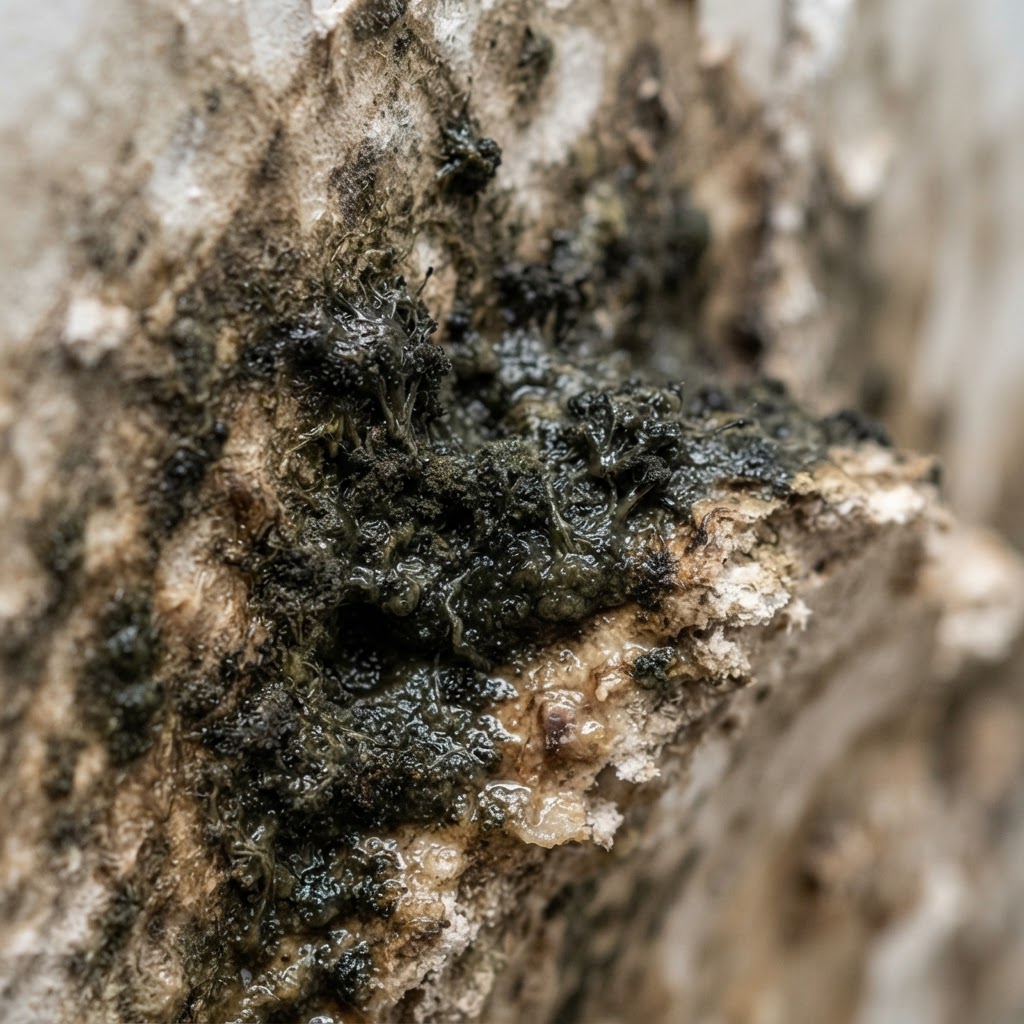
Mold on baseboards or along the bottom of walls is a sign that water has wicked up from below. This is common in Charleston homes with crawl space moisture, where groundwater evaporates and condenses on the bottom of walls.
Even a small amount of mold on a baseboard can indicate a much larger problem inside the wall cavity. The mold you see is often just the tip of the iceberg.
6. Cracks in Walls or Ceilings
While small hairline cracks are normal in Charleston homes (especially older ones), new or widening cracks can indicate water damage. Water causes building materials to expand, shift, and settle unevenly.
Concerning crack patterns:
- Horizontal cracks in walls (indicates water pressure)
- Cracks that follow the path of plumbing lines
- Stair-step cracks in brick or masonry
- Cracks accompanied by dampness or staining
7. High Indoor Humidity
If your indoor humidity is consistently above 60% even with the AC running, you may have a hidden moisture source. A hygrometer ($15-$30 at any hardware store) can tell you your indoor humidity level.
Common hidden moisture sources in Charleston homes:
- Crawl space without a vapor barrier
- Leaking HVAC condensate line
- Plumbing leak behind a wall
- Roof leak that hasn't reached the ceiling yet
- Poor bathroom ventilation sending moisture into the attic
Where Hidden Water Damage Hides in Charleston Homes
Crawl Spaces
Charleston's high water table and clay soils mean crawl spaces are constantly damp. Water evaporates from the ground into the crawl space air, then rises into the living space above. This is the #1 source of hidden moisture in Charleston homes.
Behind Walls
Slow plumbing leaks inside wall cavities can go undetected for months. The water soaks into insulation and drywall, creating perfect mold growing conditions behind the wall.
Under Floors
Leaks from upstairs bathrooms, ice maker lines, and dishwashers can saturate the subfloor from above, while crawl space moisture saturates it from below.
In Attics
Roof leaks, poor flashing around chimneys, and bathroom exhaust fans that vent into the attic (instead of outside) all introduce hidden moisture. Charleston's intense summer heat makes attics prime mold-growing environments.
Inside HVAC Systems
A clogged condensate drain line can overflow, dumping water into the air handler and surrounding area. This water often goes unnoticed because it's inside the HVAC unit or closet.
What to Do If You Suspect Hidden Water Damage
- Schedule a professional inspection. A certified inspector uses moisture meters, thermal imaging cameras, and air sampling to detect hidden moisture and mold.
- Don't ignore the signs. Hidden water damage gets worse and more expensive to fix over time.
- Check your water meter. If it's moving with all fixtures off, you have a leak.
- Monitor humidity. Buy a hygrometer and check humidity in each room.
- Look for water stains. Check ceilings, walls, and baseboards for discoloration.
Professional Water Damage Detection in Charleston
Seaside Mold Medic uses advanced moisture detection equipment including thermal imaging cameras and professional-grade moisture meters to find hidden water damage before it leads to mold growth. We offer free inspections throughout the Charleston area.
Call (844) 393-2902 to schedule your free inspection. Don't wait until hidden water damage becomes a major mold problem.

