How Long Does Mold Remediation Take? A Charleston Timeline Guide
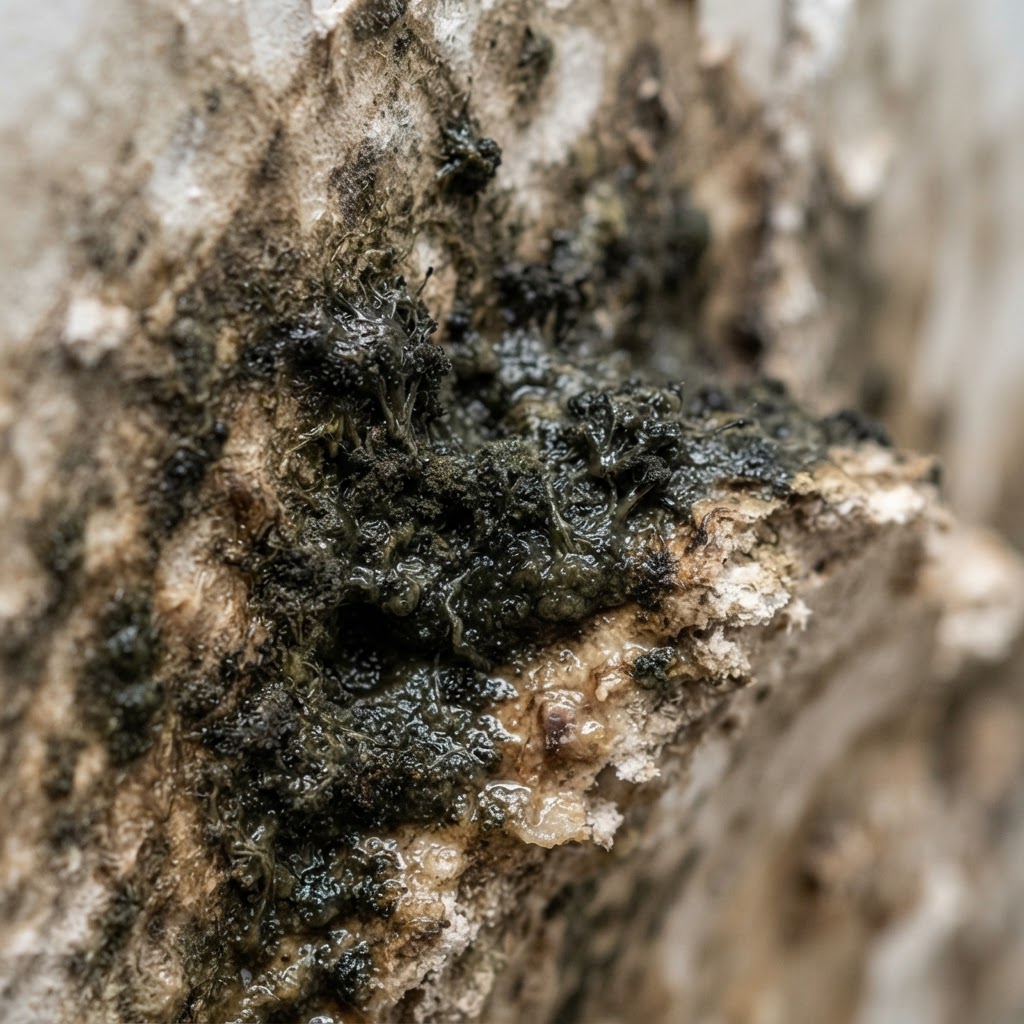
One of the most common questions Charleston homeowners ask when they discover mold is: how long will it take to get rid of it? The answer depends on the size of the affected area, the severity of the growth, the type of mold, and whether the underlying moisture problem has been resolved.
Most residential mold remediation projects in the Charleston area take between 1 and 7 days. Here's a detailed breakdown of what to expect.
Typical Mold Remediation Timelines
Small-Scale Remediation (1-2 Days)
Affected area: Less than 10 sq ft
Small mold problems, such as a patch of mold in a bathroom corner or on a section of drywall around a window, can typically be remediated in 1-2 days. This includes:
- Day 1: Containment setup, mold removal, surface cleaning, antimicrobial treatment
- Day 2: Drying time, final inspection, cleanup
Small-scale projects are common in Charleston bathrooms and kitchens where humidity and minor leaks create localized mold growth.
Medium-Scale Remediation (3-5 Days)
Affected area: 10-100 sq ft
Medium projects involve mold growth across multiple walls, in a crawl space, or in an attic. This is the most common scope for Charleston homes, particularly in older properties with crawl space moisture issues. The timeline includes:
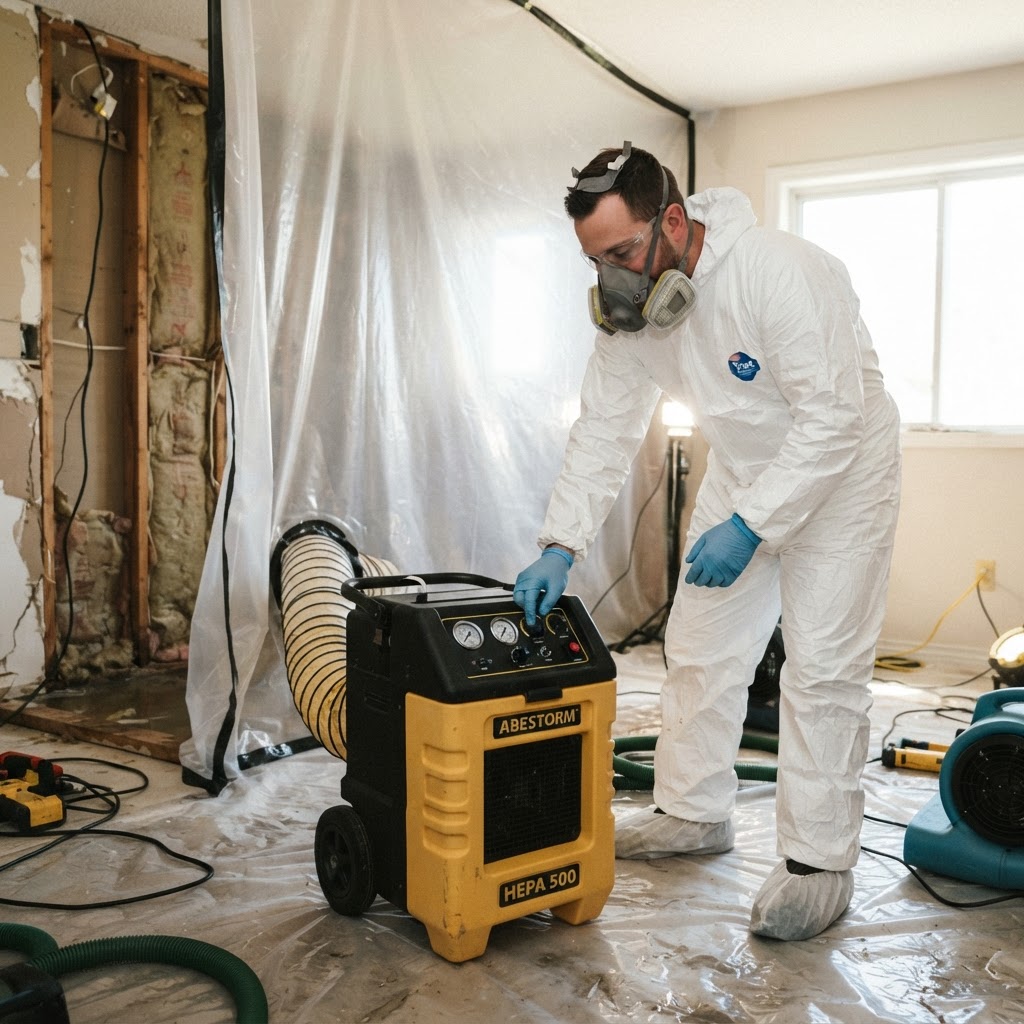
- Day 1: Inspection, containment setup, HEPA air filtration installation, removal of contaminated materials
- Day 2: Continued removal, surface cleaning, antimicrobial application
- Day 3: Drying and dehumidification
- Day 4: Post-remediation cleaning, HEPA vacuuming
- Day 5: Clearance inspection and testing
Large-Scale Remediation (5-7+ Days)
Affected area: Over 100 sq ft or multiple rooms
Large projects involve significant contamination, often from hurricane damage, major water leaks, or long-undetected growth. These projects may require:
- Removing and replacing drywall, insulation, and sometimes structural materials
- Extensive drying time (3-5 days with industrial dehumidifiers)
- Multiple rounds of clearance testing
- Coordination with reconstruction contractors
Large-scale remediation is common in Charleston after hurricanes, when storm surge and roof damage lead to widespread water intrusion and rapid mold growth.
Factors That Affect Remediation Duration
1. Source of Moisture
The most important factor is whether the moisture source has been fixed. If a leak, humidity problem, or drainage issue hasn't been resolved, mold will return. Your remediation team must identify and fix the source before or during remediation, which can add time.
2. Type of Material Affected
- Porous materials (drywall, carpet, insulation) often need to be removed and replaced, adding time
- Semi-porous materials (wood framing, concrete) can usually be cleaned and treated
- Non-porous materials (metal, glass, tile) are quickest to clean
3. Location of Mold
Mold in an easily accessible bathroom is faster to remediate than mold in a tight crawl space, inside wall cavities, or in an HVAC system. Crawl space mold, common in Summerville and Goose Creek homes, often requires encapsulation work that extends the timeline.
4. Type of Mold
Stachybotrys chartarum (black mold) and other toxigenic species require more stringent containment protocols, which can add a day or more to the process. The remediation team must follow IICRC S520 guidelines for toxic mold, which include negative air pressure containment and enhanced PPE.
5. Drying Time
After mold removal, the affected area must be thoroughly dried before reconstruction. Industrial dehumidifiers and air movers typically need 2-4 days to bring moisture levels back to acceptable ranges. Charleston's high ambient humidity can extend drying times compared to drier climates.
6. Post-Remediation Verification
Professional remediation should always end with clearance testing to verify the mold has been fully removed. Lab results typically take 24-48 hours, adding time but ensuring the job is truly complete.
The Mold Remediation Process Step by Step
- Inspection and Assessment (Day 1): Identify the extent of mold growth, moisture source, and type of mold
- Containment (Day 1): Seal off affected areas with plastic sheeting and maintain negative air pressure
- Mold Removal (Days 1-3): Remove contaminated materials and clean affected surfaces
- Antimicrobial Treatment (Days 2-3): Apply EPA-registered antimicrobial coatings to prevent regrowth
- Drying (Days 3-5): Use industrial dehumidifiers to bring moisture levels to safe ranges
- Cleaning (Day 4-5): HEPA vacuum all surfaces, clean HVAC if needed
- Clearance Testing (Day 5-7): Independent testing to verify successful remediation
- Reconstruction (After clearance): Replace drywall, flooring, and other removed materials
Can I Speed Up the Process?
While you can't rush lab results or drying times, you can help by:
- Fixing the moisture source immediately (call a plumber for leaks)
- Removing clutter from affected areas before the team arrives
- Keeping doors and windows closed during drying to allow dehumidifiers to work efficiently
- Scheduling remediation as soon as you discover mold, before it spreads
Get a Fast Mold Remediation Estimate in Charleston
Seaside Mold Medic provides fast, professional mold remediation throughout the Charleston area. We offer free inspections, transparent timelines, and IICRC-certified remediation. Call (844) 393-2902 to schedule your inspection and get a clear timeline for your specific situation.

