Mold and Pets: How Mold Affects Your Dogs and Cats
When Charleston homeowners discover mold, they often worry about their family's health first. But mold doesn't just affect humans. Dogs, cats, and other pets are also vulnerable to mold exposure, and in some cases, they can be even more sensitive than people.
Pets spend more time indoors, closer to the floor where mold spores settle, and they can't tell you when they're feeling sick. Understanding how mold affects pets can help you protect your furry family members.
How Pets Are Exposed to Mold
Pets are exposed to mold through the same pathways as humans:
- Inhalation: Breathing in airborne mold spores
- Ingestion: Eating moldy food or licking moldy surfaces
- Skin contact: Lying on moldy carpets, bedding, or floors
Pets are often more exposed than humans because:
- They spend more time on the floor, where spore concentrations are highest
- They groom themselves by licking, ingesting spores from their fur
- They have smaller bodies, so smaller amounts of mold can cause bigger reactions
- They may sleep in crawl spaces, basements, or other damp areas
- They can't leave the house when air quality is poor
Symptoms of Mold Exposure in Dogs
Dogs exposed to mold may show these symptoms:
Respiratory Symptoms
- Coughing or wheezing
- Sneezing
- Difficulty breathing or rapid breathing
- Nasal discharge
- Panting more than usual
Skin Symptoms
- Itching and scratching excessively
- Red, irritated skin
- Hair loss or thinning coat
- Hot spots
- Recurring ear infections
Behavioral Symptoms
- Lethargy or decreased energy
- Loss of appetite
- Vomiting or diarrhea
- Reluctance to play or exercise
- Hiding or withdrawal
Severe Symptoms (Toxic Mold)
- Tremors or seizures
- Bleeding from the nose or mouth
- Extreme weakness
- Collapse
If your dog shows severe symptoms, contact a veterinarian immediately.
Symptoms of Mold Exposure in Cats
Cats are often more sensitive to mold than dogs. Symptoms include:
Respiratory Symptoms
- Coughing or wheezing
- Sneezing
- Labored breathing
- Nasal congestion
Skin Symptoms
- Excessive grooming (overlicking)
- Hair loss, especially on the belly and legs
- Skin lesions or sores
- Miliary dermatitis (small scabs)
Behavioral Symptoms
- Lethargy
- Loss of appetite
- Vomiting
- Hiding more than usual
- Avoiding certain rooms (possibly moldy areas)
Severe Symptoms (Toxic Mold)
- Tremors
- Difficulty walking
- Seizures
- Bloody urine or stool
Which Pets Are Most at Risk?
Certain pets face higher risk from mold exposure:
- Young animals (puppies and kittens): Developing immune and respiratory systems
- Senior pets: Weakened immune systems and existing health conditions
- Pets with asthma or allergies: Pre-existing respiratory sensitivity
- Short-nosed breeds (pugs, bulldogs, Persian cats): Already compromised airways
- Birds: Extremely sensitive respiratory systems; mold can be fatal
- Small mammals (rabbits, guinea pigs, hamsters): Tiny lungs, high sensitivity
- Immunocompromised pets: Those undergoing treatment or with chronic illness
Toxic Mold and Pets
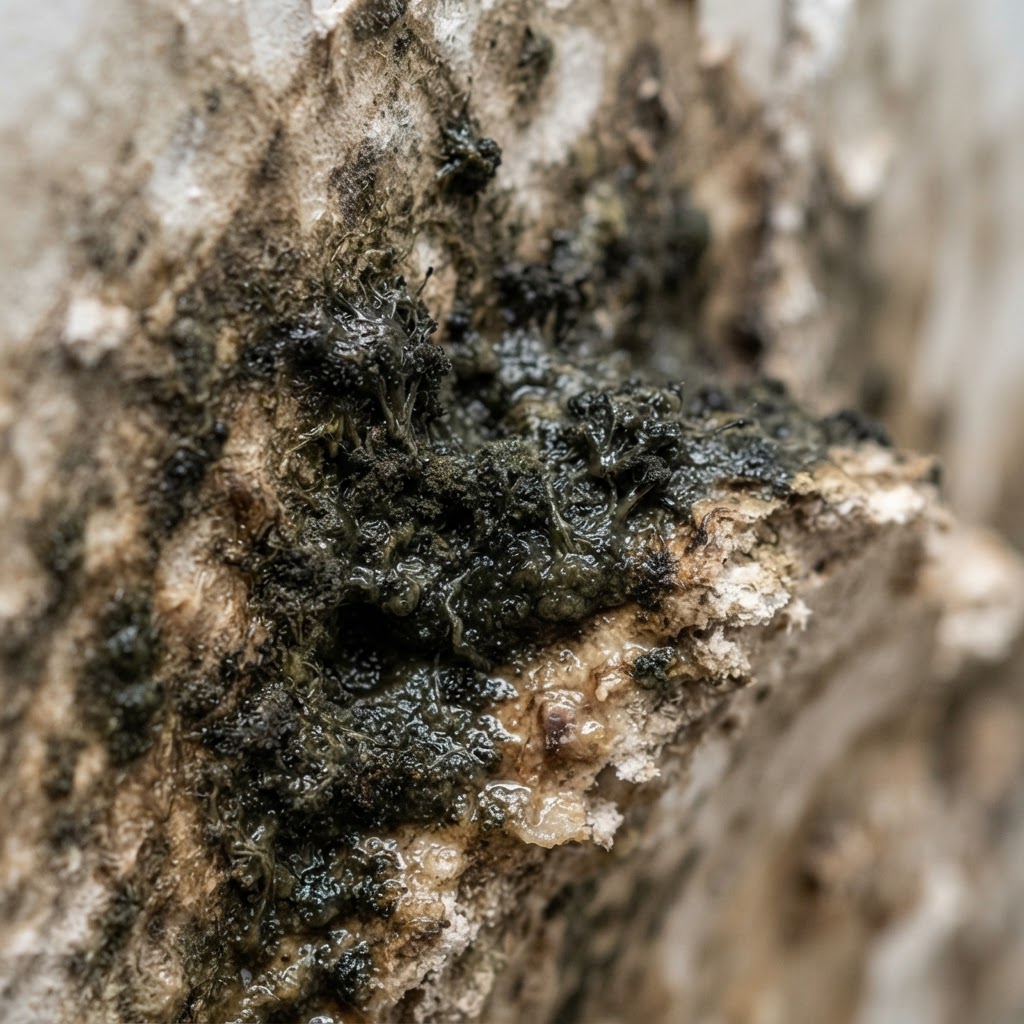
Stachybotrys chartarum (black mold) produces mycotoxins that are particularly dangerous to pets. Dogs and cats exposed to black mold can develop:
- Pulmonary hemorrhage (bleeding in the lungs)
- Neurological damage
- Immune system suppression
- Organ damage
- Death in severe cases
If you suspect black mold in your home and your pet is showing symptoms, remove your pet from the home immediately and contact both a veterinarian and a mold remediation professional.
Moldy Pet Food and Bedding
Mold exposure isn't just from your home's environment. Mold can also grow in:
- Pet food: Kibble stored in damp areas can grow mold. Check for musty smells or visible mold
- Treats: Natural treats like bully sticks can mold in Charleston's humidity
- Pet bedding: Damp bedding grows mold quickly. Wash and dry bedding regularly
- Water bowls: Standing water near food can create localized mold growth
- Litter boxes: Damp litter areas can harbor mold
Always store pet food in airtight containers in a cool, dry place. In Charleston's humid climate, this is especially important.
What to Do If Your Pet Has Mold Symptoms
- Remove your pet from the moldy environment. Take them to a friend's home or a boarding facility.
- See a veterinarian. Tell them you suspect mold exposure and describe your pet's symptoms.
- Schedule a mold inspection. A professional can identify the type and extent of mold in your home.
- Do not attempt DIY removal if your pet is affected. Professional remediation ensures all spores are removed.
- Clean pet belongings. Wash all bedding, toys, and bowls. Replace items that can't be thoroughly cleaned.
- Monitor your pet's recovery. Symptoms should improve within days of leaving the moldy environment.
Protecting Your Pets from Mold
- Keep indoor humidity below 50% with a dehumidifier
- Fix leaks immediately
- Clean and dry pet bedding weekly
- Store pet food in airtight containers
- Don't let pets access crawl spaces or damp basements
- Schedule annual mold inspections, especially if you live in a high-risk area
- Run HEPA air purifiers in rooms where pets spend the most time
Charleston's Mold Risk for Pets
Charleston's year-round humidity makes mold a constant threat to pets. Homes with crawl spaces in Summerville, Goose Creek, and Mount Pleasant are especially vulnerable. If your pet shows unexplained symptoms that improve when they're away from home, mold may be the cause.
Schedule a Free Mold Inspection
Seaside Mold Medic provides free mold inspections throughout the Charleston area. If you're concerned about mold affecting your pets, call (844) 393-2902 to schedule an inspection. We'll identify any mold problems and create a remediation plan that keeps your entire family, including your pets, safe and healthy.

