Natural Mold Killers: Do Vinegar, Tea Tree Oil, and Baking Soda Really Work?
Many Charleston homeowners prefer natural cleaning solutions over harsh chemicals. When it comes to mold, there's a lot of advice online about using vinegar, tea tree oil, baking soda, and other household items to kill mold naturally. But do these remedies actually work, and are they safe to rely on?
This guide examines the most popular natural mold killers, what the science says, and when natural methods are appropriate versus when you need professional help.
The EPA Guideline: When Natural Methods Are Appropriate
Before discussing specific remedies, it's important to understand the EPA's guideline: DIY mold removal (natural or chemical) is only appropriate for areas smaller than 10 square feet. For larger areas, hidden mold, or suspected toxic black mold, professional remediation is necessary regardless of what cleaning product you use.
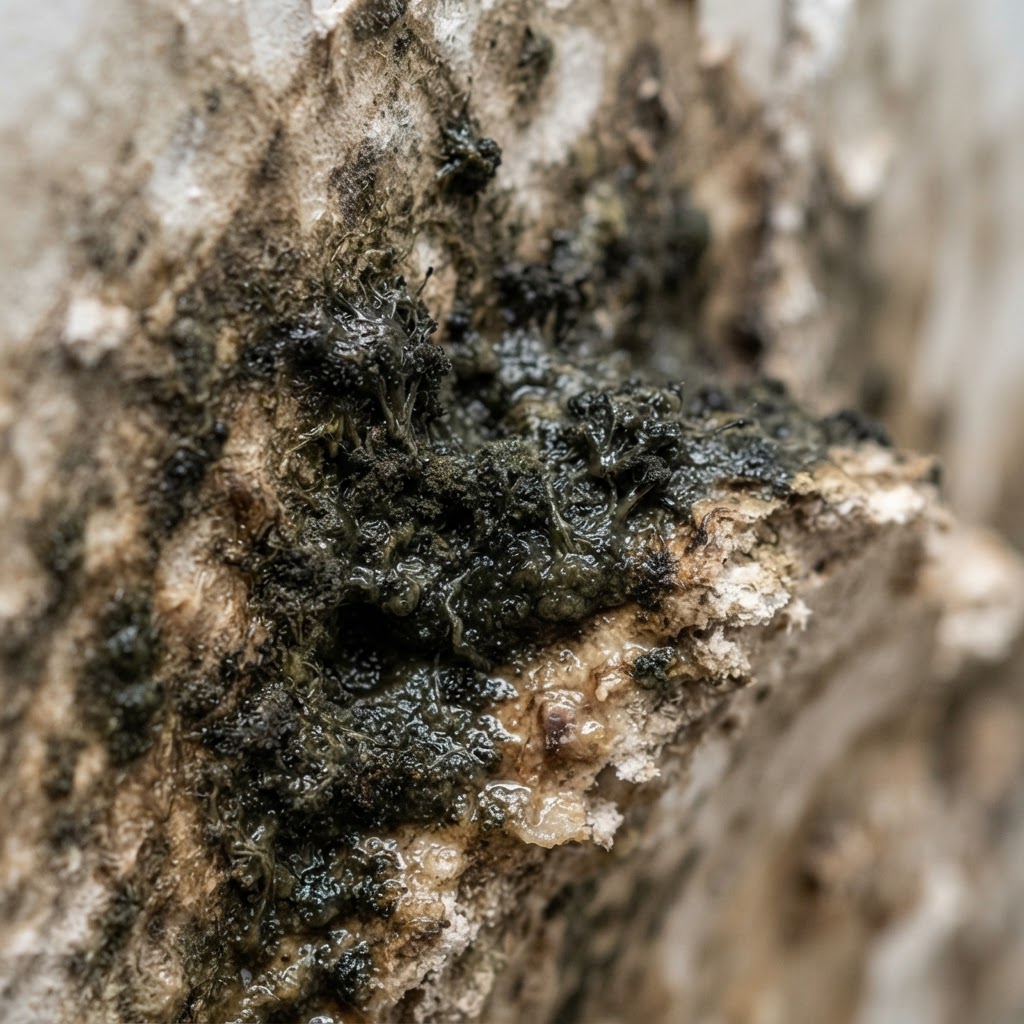
Natural mold killers can be effective for small, surface-level mold on non-porous materials. They are not effective for mold that has penetrated porous materials like drywall, wood, or insulation.
1. White Vinegar
Does It Work?
Yes, vinegar is the most effective natural mold killer. Research shows that white vinegar (which contains 5-8% acetic acid) can kill over 80% of mold species, including some that bleach cannot.
How to Use It
- Pour undiluted white vinegar into a spray bottle
- Spray directly onto the moldy surface
- Let it sit for 1 hour (don't wipe immediately)
- Wipe clean with a damp cloth
- Allow the area to dry completely
Pros
- Kills most mold species, including some toxic varieties
- Penetrates porous surfaces better than bleach
- Safe, non-toxic, no harmful fumes
- Inexpensive and readily available
Cons
- Strong odor (dissipates after a few hours)
- Does not prevent regrowth if moisture source isn't fixed
- Not effective on deeply embedded mold in porous materials
- Can damage certain stone surfaces (marble, granite)
Best For
- Small mold spots on tile, grout, and sealed surfaces
- Bathroom mold on non-porous surfaces
- Mold on glass and metal
2. Tea Tree Oil
Does It Work?
Tea tree oil has proven antifungal properties. Studies have shown it can inhibit mold growth, and it's one of the most potent essential oils for mold. However, it's expensive and requires high concentrations to be effective.
How to Use It
- Mix 1 teaspoon of tea tree oil with 1 cup of water
- Shake well to combine (oil and water separate)
- Spray onto moldy surface
- Do not rinse, let it sit
- Reapply if needed
Pros
- Strong antifungal properties
- Leaves a pleasant medicinal scent
- A little goes a long way
Cons
- Expensive ($15-$30 for a small bottle)
- Can be toxic to pets and cats especially
- Strong scent that some find overwhelming
- Limited research on real-world mold remediation effectiveness
- Oil and water separate, requiring frequent shaking
Best For
- Small, surface-level mold on non-porous materials
- Preventive treatment after cleaning
3. Baking Soda
Does It Work?
Baking soda is mildly effective. It's a mild alkali that can kill some mold species and absorb moisture, but it's not a strong enough mold killer to handle significant growth on its own. It's better used as a complement to other methods.
How to Use It
As a paste:
- Mix baking soda with water to form a thick paste
- Apply to moldy surface
- Scrub with a brush
- Rinse and dry
As a solution:
- Dissolve 1 tablespoon of baking soda in a spray bottle of water
- Spray on moldy area
- Scrub, then rinse
- Spray again and let dry (leaves a protective residue)
Pros
- Extremely safe and non-toxic
- Absorbs moisture (helps prevent regrowth)
- Very inexpensive
- Safe around pets and children
- Gentle on surfaces
Cons
- Weak mold killer compared to vinegar
- Requires physical scrubbing
- Only works on surface mold
- Not effective on porous materials
Best For
- Light mold on grout and tile
- Deodorizing after mold removal
- Absorbing residual moisture
4. Hydrogen Peroxide
Does It Work?
Yes, hydrogen peroxide is an effective natural mold killer. 3% hydrogen peroxide (the standard drugstore concentration) kills mold by producing free radicals that destroy mold cell walls. It's also a mild bleaching agent that can remove mold stains.
How to Use It
- Pour 3% hydrogen peroxide into a spray bottle
- Spray directly on moldy surface
- Let sit for 10-15 minutes
- Scrub with a brush
- Wipe clean and let dry
Pros
- Effective against many mold species
- Lightens mold stains
- Breaks down into water and oxygen (no toxic residue)
- Readily available and inexpensive
Cons
- Can bleach colored surfaces (test first)
- Less effective than vinegar on some species
- Light-sensitive (store in dark bottle)
Best For
- Mold on grout, tile, and sealed surfaces
- Removing mold stains after treatment
5. Grapefruit Seed Extract
Does It Work?
Possibly, but research is limited. Grapefruit seed extract (GSE) is marketed as a natural antimicrobial, and some studies show antifungal properties. However, commercial GSE products often contain synthetic preservatives that may be the actual active ingredient.
How to Use It
- Mix 10 drops of grapefruit seed extract with 1 cup of water
- Spray on moldy area
- Let sit, do not rinse
Pros
- Odorless
- Non-toxic
- Easy to use
Cons
- Limited scientific evidence for mold killing
- Expensive
- May contain hidden synthetic preservatives
What Natural Remedies Cannot Do
It's critical to understand the limitations of natural mold killers:
-
They cannot fix the moisture source. Mold will return if you don't fix the underlying moisture problem. No natural remedy can compensate for ongoing water intrusion.
-
They cannot penetrate deeply. Natural remedies work on surface mold. Mold that has grown into drywall, wood, insulation, or behind walls requires physical removal of the contaminated material.
-
They cannot handle large areas. The EPA recommends professional remediation for any area over 10 square feet, regardless of the cleaning product used.
-
They cannot address toxic mold safely. Disturbing Stachybotrys (black mold) without proper containment can spread dangerous mycotoxins throughout your home.
-
They cannot provide documentation. If you need clearance for insurance, real estate, or health reasons, you need professional testing and remediation with documentation.
The Natural Mold Cleaning Protocol for Small Areas
If you have a small area of surface mold (under 10 sq ft), here's the most effective natural approach:
- Fix the moisture source first (leak, humidity, ventilation)
- Wear protective gear (N95 mask, gloves, goggles)
- Spray with undiluted white vinegar and let sit for 1 hour
- Scrub with a brush (not a sponge, which can spread spores)
- Wipe clean with a damp cloth
- Spray with hydrogen peroxide to remove stains and kill remaining spores
- Sprinkle baking soda on the area to absorb residual moisture
- Dry completely with fans or a dehumidifier
- Monitor the area for 1-2 weeks for regrowth
When to Call a Professional
Skip the natural remedies and call a professional if:
- The mold covers more than 10 square feet
- The mold is in a crawl space, attic, or inside walls
- You suspect black mold (Stachybotrys)
- Someone in your home has health issues
- The mold returns after cleaning
- You need documentation for insurance or real estate
- The mold resulted from sewage or contaminated water
Professional Mold Remediation in Charleston
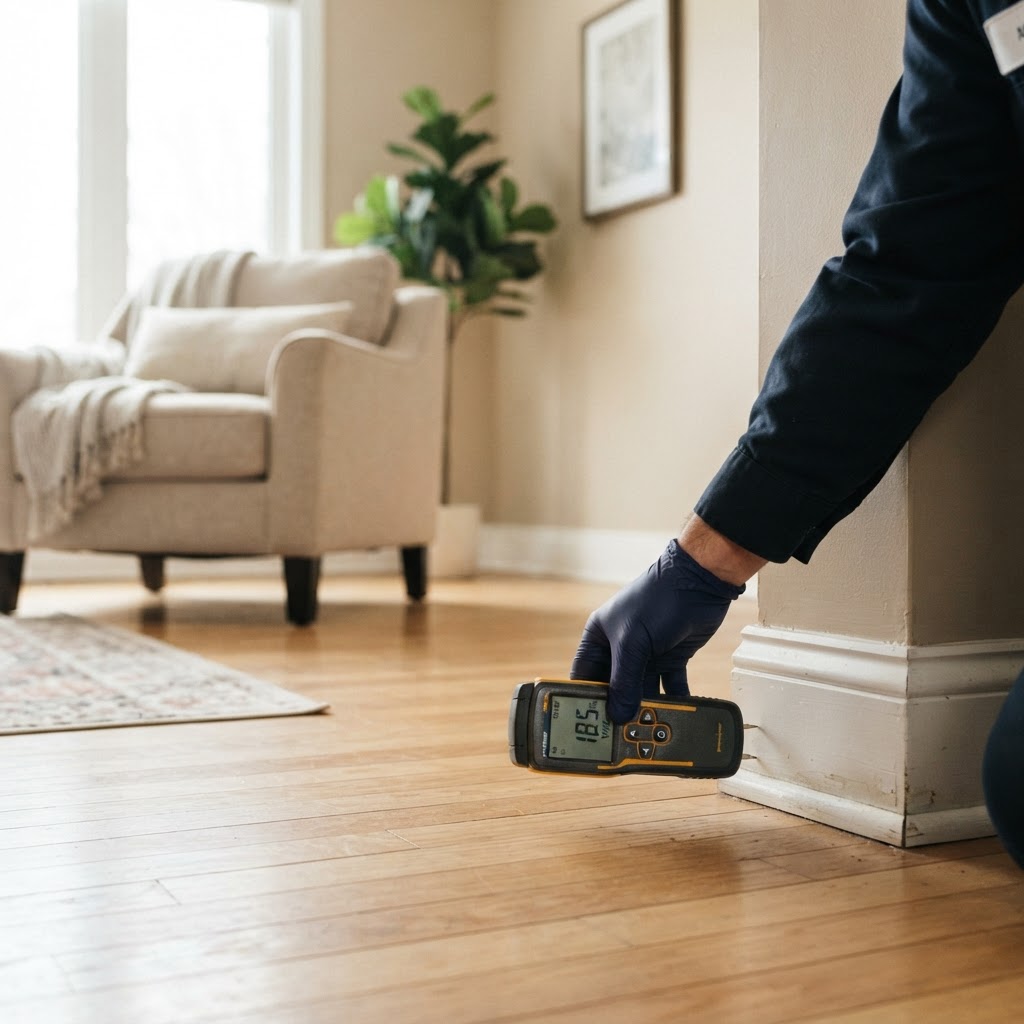
Seaside Mold Medic provides professional, IICRC-certified mold remediation throughout the Charleston area. We use EPA-registered antimicrobial treatments, HEPA filtration, and proper containment to safely remove mold at its source. Call (844) 393-2902 for a free inspection.

