How to Prevent Mold in Charleston Attics: Ventilation and Insulation Guide
Attic mold is one of the most common mold problems in Charleston homes. The combination of Charleston's humid climate, intense summer heat, and aging home construction creates ideal conditions for mold growth in attics. Because attics are rarely visited, mold can grow for months or years before anyone notices.
This guide explains why Charleston attics get moldy and how to prevent it with proper ventilation, insulation, and maintenance.
Why Charleston Attics Get Mold
Attic mold requires three conditions: moisture, warm temperatures, and a food source. Charleston attics provide all three:
Moisture Sources
- Humid air infiltration: Charleston's outdoor humidity regularly exceeds 80%. When this air enters the attic through vents, it brings moisture with it.
- Condensation: Warm, humid air hits cooler roof decks at night, causing condensation that drips onto insulation and wood.
- Bathroom exhaust fans: Many Charleston homes have bathroom fans that vent into the attic instead of through the roof, dumping warm, moist air directly into the attic space.
- Roof leaks: Even small roof leaks from damaged shingles, flashing, or vent boots introduce water into the attic.
- Air leaks from living spaces: Gaps around light fixtures, plumbing penetrations, and the attic hatch allow warm, humid air from the living space to enter the attic.
Warm Temperatures
Charleston attic temperatures can exceed 140 degrees F in the summer. While mold prefers temperatures between 60 and 80 degrees, many mold species can grow at higher temperatures, especially when humidity is high.
Food Sources
Attics are full of mold food sources:
- Wood roof decking and rafters
- Paper backing on insulation
- Dust and organic debris
- Stored items (cardboard boxes, clothing, books)
Signs of Attic Mold
Inspect your attic at least twice a year for these warning signs:
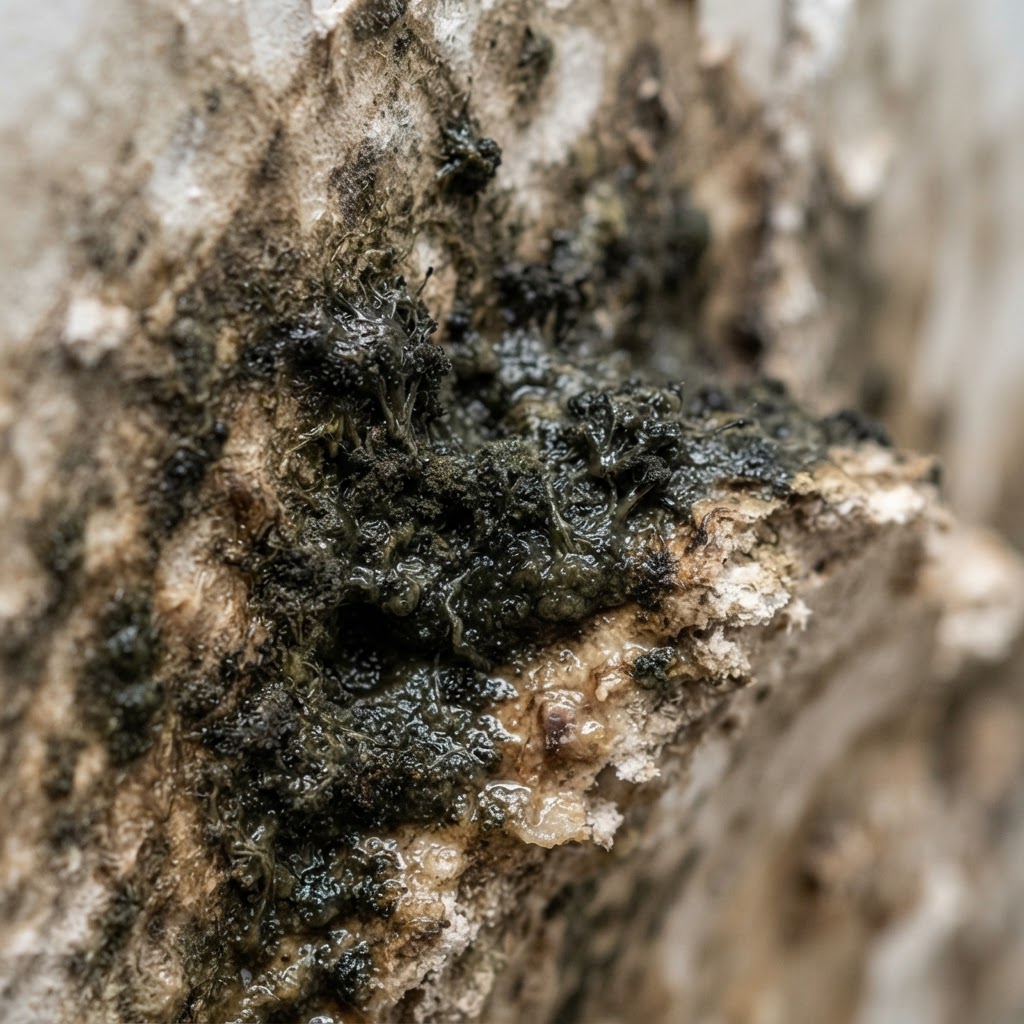
- Dark staining on the underside of the roof deck (black, green, or brown patches)
- White, fuzzy growth on rafters or trusses
- Musty odors when you open the attic hatch
- Moist or damp insulation
- Rusted nails protruding through the roof deck (indicates condensation)
- Water stains on rafters or the attic floor
- Cupping or warping of roof decking
- Daylight visible through the roof (indicates gaps that let moisture in)
How to Prevent Attic Mold in Charleston
1. Ensure Proper Attic Ventilation
Proper ventilation is the single most important factor in preventing attic mold. Ventilation allows humid air to exit the attic and be replaced with fresh air, preventing moisture buildup.
Balanced Ventilation System
A proper attic ventilation system has two components:
- Intake vents (soffit vents): Located under the eaves, they allow fresh air to enter the attic
- Exhaust vents (ridge vents or gable vents): Located at or near the roof peak, they allow hot, humid air to exit
The system works through natural convection: cool air enters at the bottom, warms up, absorbs moisture, and rises to exit at the top.
Ventilation Requirements
The International Residential Code (IRC) recommends 1 square foot of ventilation for every 300 square feet of attic floor space, with a balance of 50% intake and 50% exhaust.
For a 2,000 sq ft attic, you need approximately 6.7 sq ft of total ventilation (3.3 sq ft intake, 3.3 sq ft exhaust).
Common Ventilation Problems in Charleston Homes
- Blocked soffit vents: Insulation pushed against the eaves blocks airflow. Install baffles to keep insulation away from soffit vents.
- Missing or insufficient vents: Many older Charleston homes have inadequate ventilation.
- Mixed ventilation types: Using both ridge vents and gable vents can short-circuit airflow, reducing effectiveness.
- No intake vents: Exhaust vents alone don't work. Without intake, there's no air to exhaust.
2. Proper Insulation
Insulation on the attic floor prevents warm, humid air from the living space from entering the attic. This is critical in Charleston homes where indoor humidity is high.
Recommended Insulation Levels
- R-38 to R-49 is recommended for Charleston's climate zone (Zone 3)
- This typically means 12-16 inches of fiberglass batt insulation or 10-14 inches of blown-in cellulose
Insulation Best Practices
- Don't compress insulation: Compressed insulation loses its R-value. Ensure insulation is installed at its full thickness.
- Seal air leaks first: Before adding insulation, seal all gaps around plumbing, electrical, and the attic hatch with spray foam or caulk.
- Use baffles: Install baffles at the eaves to prevent insulation from blocking soffit vents.
- Don't insulate over recessed lights: Unless they're IC-rated, keep insulation away from recessed light fixtures (fire hazard).
3. Fix Bathroom and Kitchen Exhaust Fans
Many Charleston homes have bathroom and kitchen exhaust fans that vent into the attic instead of through the roof. This is a major cause of attic mold.
What to do:
- Verify all exhaust fans vent to the exterior, not into the attic
- Use rigid metal ductwork (not flexible vinyl, which sags and traps moisture)
- Ensure ducts are insulated where they pass through the attic
- Make sure the duct has a proper roof cap with a damper
4. Seal Air Leaks
Warm, humid air from the living space enters the attic through gaps and cracks. Seal these to prevent moisture transfer:
- Attic hatch: Install weatherstripping and an insulated cover
- Recessed lights: Install airtight covers or replace with IC-rated airtight fixtures
- Plumbing penetrations: Seal gaps around pipes with spray foam
- Electrical penetrations: Seal gaps around wires and junction boxes
- Chimney: Seal the gap between the chimney and attic floor with fire-rated foam or flashing
5. Inspect and Maintain the Roof
- Inspect roof annually for damaged, missing, or aging shingles
- Check flashing around chimneys, vents, and skylights for gaps or damage
- Inspect vent boots (the rubber seals around plumbing vents) for cracking
- Check after storms for wind or impact damage
- Clean gutters to prevent ice dams and water backup
6. Control Indoor Humidity
High indoor humidity eventually reaches the attic. Keep your home's humidity below 50% with:
- A whole-home dehumidifier
- Properly sized air conditioning
- Bathroom and kitchen exhaust fans
- Crawl space encapsulation (moisture from the crawl space rises through the house)
7. Don't Store Mold-Prone Items in the Attic
Avoid storing these items in Charleston attics where humidity and heat are extreme:
- Cardboard boxes (absorb moisture and feed mold)
- Paper and books
- Clothing and fabric
- Leather items
- Natural materials (wicker, wood)
Use plastic, airtight containers instead of cardboard for any items you do store.
When to Call a Professional
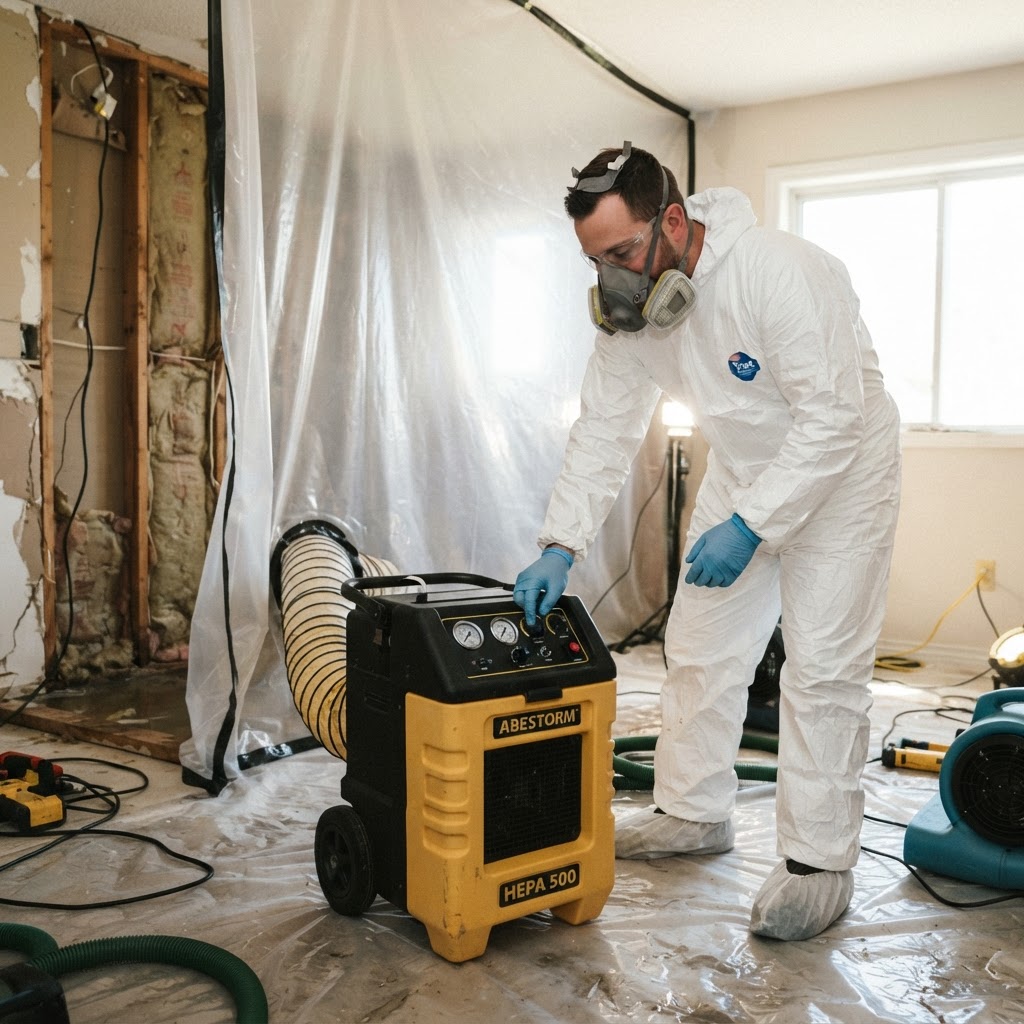
If you find mold in your attic, don't attempt DIY removal. Attic mold often indicates a ventilation or moisture problem that needs professional assessment. Disturbing attic mold can spread spores throughout your home through the HVAC system.
Call a professional if:
- You see visible mold on the roof deck or rafters
- The mold covers more than 10 square feet
- The roof deck is soft or spongy
- Insulation is wet or moldy
- You smell musty odors from the attic
Professional Attic Mold Remediation in Charleston
Seaside Mold Medic provides professional attic mold inspection and remediation throughout the Charleston area. We identify the moisture source, safely remove mold, and recommend ventilation and insulation improvements to prevent recurrence. Call (844) 393-2902 to schedule your free attic inspection.

