South Carolina Mold Disclosure Laws: What Home Sellers Must Know
If you're selling a home in South Carolina, you may be wondering what you're legally required to disclose about mold, water damage, and moisture problems. South Carolina has specific property disclosure requirements, and failing to disclose known issues can lead to serious legal and financial consequences.
This guide explains South Carolina's mold disclosure laws, what sellers must reveal, and best practices for protecting yourself during a real estate transaction.
South Carolina's Property Disclosure Requirement
South Carolina requires home sellers to complete a Residential Property Disclosure Statement for most residential real estate transactions. This form requires sellers to disclose known defects and conditions of the property, including:
- Water damage or moisture problems
- Roof leaks
- Plumbing leaks
- Flooding or drainage issues
- Mold or mildew problems
- Environmental hazards
- Foundation or structural issues
The disclosure form is provided to the buyer before the sale is finalized. Buyers typically have a right to inspect the property during the due diligence period and can request repairs, credits, or cancel the contract based on findings.
Does South Carolina Specifically Require Mold Disclosure?
South Carolina does not have a mold-specific disclosure law. However, mold falls under the general requirement to disclose known material defects that could affect the property's value or the buyer's decision to purchase.
If you know your home has had mold, water damage, or moisture problems, you are legally required to disclose this on the property disclosure statement. This includes:
- Current or past mold growth
- Water damage from leaks, floods, or storms
- Crawl space moisture problems
- Roof leaks (current or repaired)
- Plumbing leaks (current or repaired)
- Any mold remediation that has been performed
What Happens If You Don't Disclose Mold?
Failing to disclose known mold or water damage can lead to:
Legal Liability
The buyer can sue for:
- Fraudulent misrepresentation: Knowingly hiding a material defect
- Breach of contract: Violating the disclosure agreement
- Negligent misrepresentation: Failing to exercise reasonable care in disclosure
- Breach of warranty: If any warranties were provided
Financial Consequences
- Repair costs: You may be ordered to pay for mold remediation and repairs
- Damages: You may owe compensatory and punitive damages
- Legal fees: You may be responsible for the buyer's attorney fees
- Sale rescission: The buyer may be able to undo the sale entirely
Real Estate License Issues
If a real estate agent was involved and knew about the undisclosed mold, they could face disciplinary action from the South Carolina Real Estate Commission.
What Must Be Disclosed?
Current Mold Problems
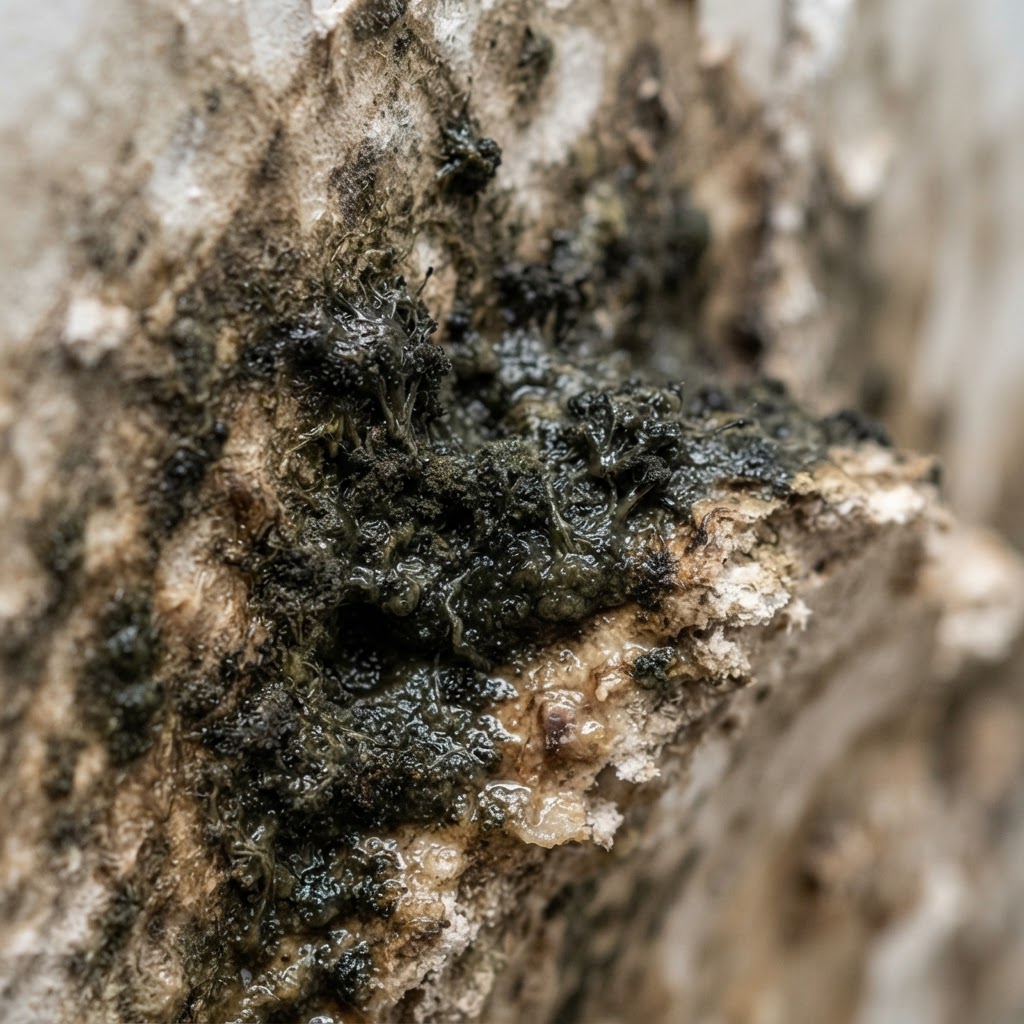
If your home currently has visible mold, you must disclose it. This includes mold in bathrooms, crawl spaces, attics, basements, or anywhere else on the property.
Past Mold Problems
If your home has had mold in the past, even if it was remediated, you should disclose it. Buyers have a right to know about past moisture and mold issues, as they may recur if the underlying cause wasn't fully addressed.
Water Damage
Any water damage from leaks, floods, storms, or plumbing failures must be disclosed, even if the damage has been repaired. This includes:
- Roof leaks (current or past)
- Plumbing leaks
- Flood damage
- Storm or hurricane damage
- Appliance leaks (water heater, washing machine, dishwasher)
Moisture and Humidity Issues
Ongoing moisture problems that could lead to mold should be disclosed:
- Crawl space moisture or standing water
- Basement dampness
- Poor drainage or grading issues
- High indoor humidity
- Condensation problems
Remediation History
If mold remediation has been performed, disclose:
- When the remediation was done
- What areas were affected
- What company performed the work
- Whether clearance testing was performed
- Any warranties or guarantees
Best Practices for Sellers
1. Disclose Everything You Know
When in doubt, disclose. It's always better to over-disclose than to face a lawsuit later. Even minor issues that you've fixed should be mentioned. Buyers appreciate transparency and are less likely to pursue legal action if they feel they were fully informed.
2. Document Past Remediation
If you've had mold remediation done, keep all documentation:
- Remediation reports
- Lab test results
- Clearance testing results
- Receipts and warranties
- Photos of before and after
Provide copies of these documents to the buyer. Professional remediation with documentation is a selling point, not a liability.
3. Get a Pre-Listing Inspection
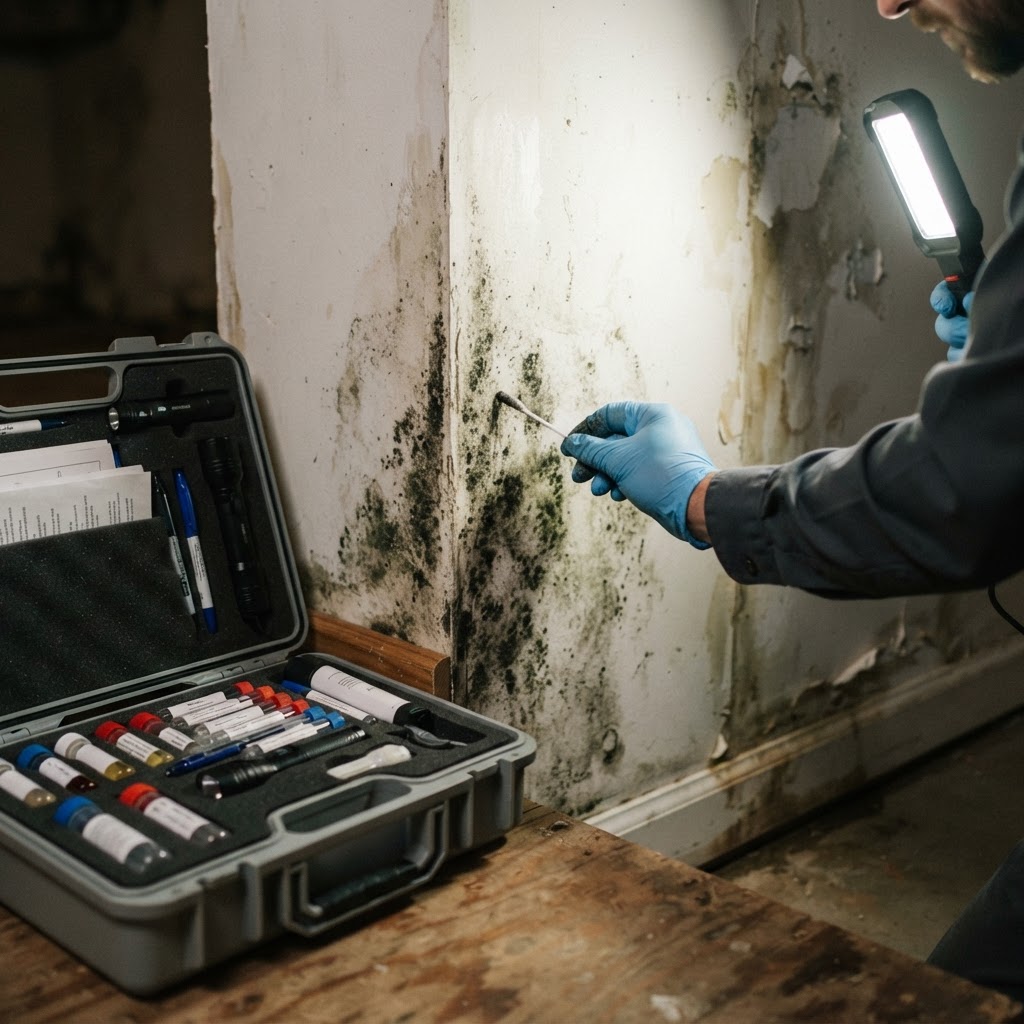
Consider hiring a professional mold inspector before listing your home. A clean inspection report can:
- Reassure buyers that the home is mold-free
- Prevent surprises during the buyer's inspection
- Support your asking price
- Provide documentation if questions arise later
4. Fix Problems Before Listing
If you know about mold or moisture problems, fix them before listing:
- Remediate any visible mold
- Fix leaks and water damage
- Improve crawl space ventilation or encapsulation
- Install a dehumidifier
- Get clearance testing after remediation
A home with documented, professional mold remediation is more attractive than a home with undisclosed, untreated mold.
5. Don't Try to Hide Mold
Attempting to hide mold by painting over it, removing visible growth without addressing the source, or concealing water damage is fraud. Home inspectors are trained to find signs of mold and water damage, and buyers will discover the problem during inspection.
Buyer's Due Diligence in South Carolina
Buyers in South Carolina have the right to:
- Inspect the property during the due diligence period
- Hire professional mold inspectors and testers
- Request repairs or credits based on findings
- Cancel the contract (within the due diligence period) for any reason
Sellers cannot prevent buyers from inspecting for mold. Attempting to do so is a red flag and may be grounds for legal action.
Exemptions from Disclosure
Some transactions in South Carolina are exempt from the disclosure requirement:
- New construction (first sale of a never-occupied home)
- Court-ordered sales (foreclosures, bankruptcies)
- Estate sales (transfers from a deceased person's estate, if the executor didn't live in the home)
- Transfers between co-owners (adding or removing a spouse)
- Gifts or inheritances
Even in exempt transactions, sellers must not actively conceal known defects. Fraud laws still apply.
Charleston-Specific Concerns
Charleston's humid climate and frequent hurricanes make mold and water damage particularly common. Buyers in the Charleston market are increasingly aware of mold risks and often request mold inspections as part of their due diligence.
Charleston-area homes most likely to have mold issues:
- Historic homes in downtown Charleston and the peninsula
- Waterfront properties in Mount Pleasant, Isle of Palms, and Sullivan's Island
- Homes with crawl spaces in Summerville, Goose Creek, and Moncks Corner
- Properties in flood zones throughout the Lowcountry
Protect Yourself: Get Professional Help
If you're selling a Charleston-area home and have concerns about mold or moisture, Seaside Mold Medic offers:
- Pre-listing mold inspections to identify and address issues before listing
- Professional mold remediation with full documentation
- Post-remediation clearance testing with lab-verified results
- Detailed reports for buyer disclosure and peace of mind
Call (844) 393-2902 to schedule a pre-listing inspection or remediation consultation. Don't risk a lawsuit, get ahead of mold issues before they affect your sale.

